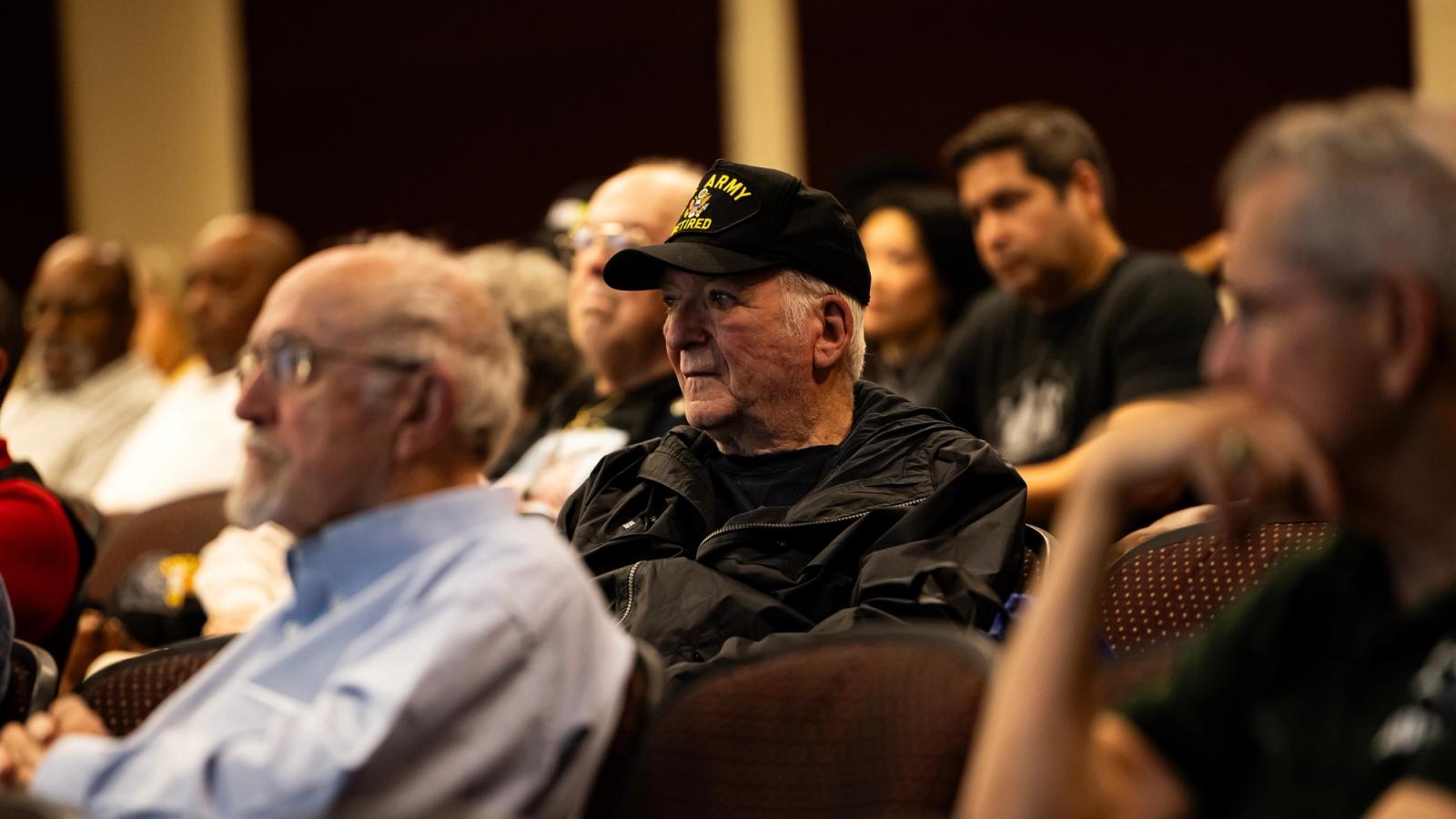
A New Bill Could Change How the Government Measures Success After Service

Congress is considering a bipartisan bill that would require the federal government to formally define what “Veteran success” means after military service, potentially reshaping how agencies measure transition, well-being, and long-term civilian outcomes.
The proposed National Veterans Strategy Act would direct the White House to create a government-wide strategy focused on Veteran quality of life after service. Supporters say the legislation reflects a bigger change in how Washington approaches post-military life, particularly for post-9/11 Veterans rebuilding careers, families, and financial stability after more than two decades of war.
Right now, most federal Veteran metrics revolve around crisis. The Department of Veterans Affairs tracks suicide rates, disability compensation, homelessness, healthcare access, and claims processing timelines. Those numbers matter. They influence funding decisions, policy priorities, and public understanding of the Veteran population. But they don’t necessarily measure whether Veterans are building stable civilian lives after leaving the military. That is the argument behind this legislation.
A Push Beyond Crisis Metrics
In written testimony submitted to the Senate Committee on Veterans’ Affairs, Wounded Warrior Project said the bill would help create “uniform metrics” centered on improving “veteran well-being after military service.” On paper, the language reads like bureaucracy. In reality, it could reshape how agencies evaluate veterans for years.
Federal agencies can currently tell Congress how many Veterans enrolled in a program or received benefits. There is no universal federal standard measuring whether Veterans remain financially stable years after separation, whether transition programs improved long-term outcomes, or whether former service members feel connected to civilian communities after leaving military life behind.
A Veteran can appear successful administratively while privately dealing with isolation, debt, underemployment, or the quieter disorientation that often follows military life. The transition itself may technically end when a DD-214 is issued. The instability often comes afterward.
For some Veterans, stability after service means making rent on a civilian paycheck for the first time in years. Others spend years rebuilding credit after leaving active duty. At this stage, the legislation focuses primarily on coordination, accountability, and measurable outcomes across federal agencies involved in Veteran policy. But that is also where the stakes become larger.

Who Gets to Define “Success?"
The legislation calls for a government-wide framework defining Veteran success, but it doesn’t explicitly define which standards federal agencies would ultimately use. Congress hasn’t answered what those standards would actually look like.
Would success be measured through employment rates? Long-term income? Educational attainment? Mental health outcomes? Family stability? Homeownership? Community involvement?
And once government definitions become institutionalized, they tend to shape funding priorities, program development, and public narratives around what a successful transition is supposed to look like.
Military transition rarely follows a clean timeline. Some Veterans rebuild quickly. Others spend years trying to regain a financial footing, reconnect socially, or recover a sense of purpose after leaving highly structured military environments. The paperwork rarely captures that part. Not every successful transition looks impressive on paper, either. A Veteran steadily managing PTSD while holding a job and raising children may define success very differently than someone climbing corporate leadership ranks after service.
Still, supporters of the legislation argue the current system leaves too much unmeasured.
The American Legion described the proposal as an effort to “define Veteran success” through a coordinated national framework. The organization argues that Veteran policy has historically focused too heavily on fragmented systems rather than long-term quality-of-life outcomes.
That debate has intensified as Veteran-serving organizations continue reporting persistent transition struggles years after separation.
What the Government Measures Shapes Policy
Federal agencies already collect extensive Veteran data. The VA tracks healthcare usage, disability ratings, toxic exposure claims, suicide prevention efforts, and homelessness reduction programs. The Department of Labor monitors Veteran employment statistics. Other agencies oversee education benefits, housing assistance, caregiver support, and workforce programs tied to military transition. But many of those systems measure activity more than outcome.
A claim processed doesn’t necessarily mean stability restored. An appointment completed doesn’t automatically mean a Veteran is thriving five years later. Transition often means losing military housing, predictable pay, and a built-in community all at once. The financial consequences tied to a failed transition can linger for years. Veterans leaving service often face abrupt income loss, housing instability, underemployment, or untreated mental health conditions during the shift to civilian life. Families absorb much of that pressure alongside them.
That reality has fueled growing criticism that federal transition systems focus too narrowly on short-term administrative benchmarks instead of long-term stability after service.
At the same time, some advocates caution against oversimplifying what “success” should mean.
Quantifying belonging or fulfillment carries obvious limitations. A veteran recovering from combat injuries while maintaining steady work and family stability may define success differently than someone pursuing entrepreneurship, higher education, or public service after separation. The bill doesn’t currently explain how those complexities would ultimately be reflected in federal metrics.

The Larger Cultural Shift Behind the Bill
The legislation also reflects a broader shift happening inside Veteran advocacy itself. For years, many public conversations about Veterans have centered around trauma, crisis, and recovery. Those issues remain real and urgent. But many veteran advocates increasingly argue that the national conversation has become too narrowly tied to damage alone. Many Veterans are not in immediate crisis after service. Some are navigating money problems, strained relationships, or isolation after leaving military life without ever appearing in formal intervention statistics.
Federal reporting systems rarely capture those struggles. Supporters of the National Veterans Strategy Act argue that Veteran policy should account for more than emergency intervention and crisis management. Critics, meanwhile, worry that broad government definitions of “success” could unintentionally flatten deeply personal experiences into another institutional measurement system. Both concerns carry weight.
It’s unclear how the federal government would ultimately define a successful life after service once that framework is formally built. And once Washington decides that answer, it won’t stay confined to policy language. It will shape funding priorities, transition programs, institutional expectations, and public understanding of Veterans long after they leave the military.
Continue Reading
Senate Introduces 2026 Bill to Define “Veteran Success” and Create First National Strategy
Veteran Benefits

Big Changes for Veterans? A Closer Look at 2025 Veteran Bills & Their Impact
Veteran Benefits
A New Proposed Bill Aims To Help Veteran Sexual Assault Survivors
Military News
Join the Conversation

BY NATALIE OLIVERIO
Veteran & Senior Contributor, Military News at VeteranLife
Navy Veteran
Natalie Oliverio is a Navy Veteran, journalist, and entrepreneur whose reporting brings clarity, compassion, and credibility to stories that matter most to military families. With more than 100 published articles, she has become a trusted voice on defense policy, family life, and issues shaping the...
Credentials
Expertise
Natalie Oliverio is a Navy Veteran, journalist, and entrepreneur whose reporting brings clarity, compassion, and credibility to stories that matter most to military families. With more than 100 published articles, she has become a trusted voice on defense policy, family life, and issues shaping the...