Navigating VA Couples Therapy: What’s Covered and How to Get It
COMMENT
SHARE

Couples seeking therapy often don’t know where to start. The VA isn’t likely to be their first thought, but maybe it should be. The U.S. Department of Veterans Affairs does provide couples therapy, including marriage counseling for Veterans and spouses.
It sits inside VA mental health services and is used in treatment plans across the system. While there isn’t a single, consistent way to access it, like many benefit programs, details must be sought out, but there are valuable resources and options available. The legwork may feel like a hassle, but the return could be relationship-saving, and that sounds pretty worth it.
Some Veterans are offered couples counseling early, especially when mental health care is already in motion. Others move through the system without hearing it mentioned at all. But the benefit is there, it just isn’t packaged as a standalone, guaranteed service across every VA facility.
Search “VA marriage counseling” or “does the VA cover couples therapy,” and find the local answers that apply to you. The coverage exists, but it’s important to know that the availability and experience vary.

Vet Centers Offer the Clearest Path to Free Couples Counseling
Inside VA Vet Centers, the answer to where you can access couples therapy becomes a little easier.
The VA lists marriage and family counseling among the services provided at Vet Centers. These services are offered at no cost for eligible Veterans and do not require enrollment in VA health care.
That means the 9 million Veterans currently not enrolled in VA healthcare can still access these therapy services. It’s also important to know these services aren’t universal. Check locally to find the closest location that does offer these services near you.
Military Benefits Eligibility Checker
Answer a few questions to discover which military and VA benefits you or your family may be eligible for.
10 questions · ~2 min
Who Qualifies For Free VA Couples Counseling?
Eligibility is tied to service history. Most commonly, that includes:
- Veterans who served in combat zones
- Veterans who experienced military sexual trauma (MST)
- Certain National Guard and Reserve members activated under qualifying conditions
Those criteria come directly from VA guidance, and they shape who can walk in and receive care. Even with those limits, Vet Centers remain the most consistent and accessible option for couples seeking free counseling through the VA system.
VA Hospitals Offer Couples Therapy, But Often Only Through Treatment Programs
Couples therapy is also delivered inside VA medical centers and outpatient clinics, but rarely as a standalone service. In most cases, it is tied to a Veteran’s mental health care program.
VA program materials reference marriage and family counseling, including structured approaches like Integrative Behavioral Couples Therapy. Availability across VA facilities is not universal or automatically given as access upon request.
This means a provider may incorporate a partner into therapy, a program may offer structured couples sessions, or another facility may not provide the same option at all. The variation is built into how care is delivered.
There is more than one way to access these services, and discovering what is available to you is an important, proactive part of securing couples counseling.
Spouses and Partners Can Participate, But Don’t Always Know They Can
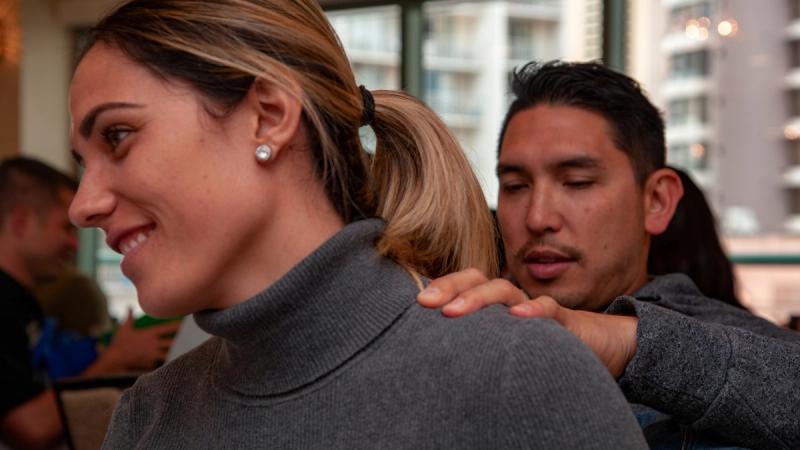
VA counseling includes family members in care, extending care to spouses and partners, even if they are not Veterans themselves. At Vet Centers, that inclusion is routine. In clinical settings, it depends more on how care is structured and whether a provider brings the partner into treatment.
The VA offers more than traditional therapy sessions, including relationship-focused efforts that include evidence-based couples therapy models, chaplain-led initiatives such as Warrior to Soulmate, and communication-focused programs.
There is also Couples Coach, a VA-developed app designed to help couples build communication skills and manage conflict outside of formal therapy.
When VA Care Isn’t Available, Veterans Are Referred Out
The VA does not guarantee that every facility can provide couples therapy directly. When services aren’t available on-site, Veterans may be referred to community providers. In those cases, cost and availability begin to vary based on location, provider networks, and eligibility for community care.
The VA connects relationship health to broader mental health outcomes; communication breakdown, isolation, and the strain that follows service home. Those pressures don’t wait to become a problem; they build gradually, over time, and often without intervention. When access is delayed or never clearly presented, support feels farther away than it is, and often arrives later than it should.
Many Veterans don't know that the VA covers couples therapy. It’s important to know what changes between locations and how a Veteran reaches it, whether through a Vet Center, a mental health provider, or a referral outside the system. The legwork is worth the destination that brings your relationship the clarity, strength, and peace it deserves.
Continue Reading
VA Budget Proposal Nears $500B: What That Means for Vets in 2026 & Beyond
Veteran Benefits

Why Did the VA Send Me This Letter? 7 Types of VA Notices Veterans Get
Veteran Benefits
$50 Billion Is Hitting Rural Healthcare: Here’s Why Veterans May See the Impact First
Veteran Benefits
Join the Conversation

BY NATALIE OLIVERIO
Veteran & Senior Contributor, Military News at VeteranLife
Navy Veteran
Natalie Oliverio is a Navy Veteran, journalist, and entrepreneur whose reporting brings clarity, compassion, and credibility to stories that matter most to military families. With more than 100 published articles, she has become a trusted voice on defense policy, family life, and issues shaping the...
Credentials
Expertise
Natalie Oliverio is a Navy Veteran, journalist, and entrepreneur whose reporting brings clarity, compassion, and credibility to stories that matter most to military families. With more than 100 published articles, she has become a trusted voice on defense policy, family life, and issues shaping the...