LAWMAKERS WANT TO RAISE PAY FOR VA DOCTORS, HERE’S WHY IT COULD AFFECT YOUR CARE
COMMENT
SHARE

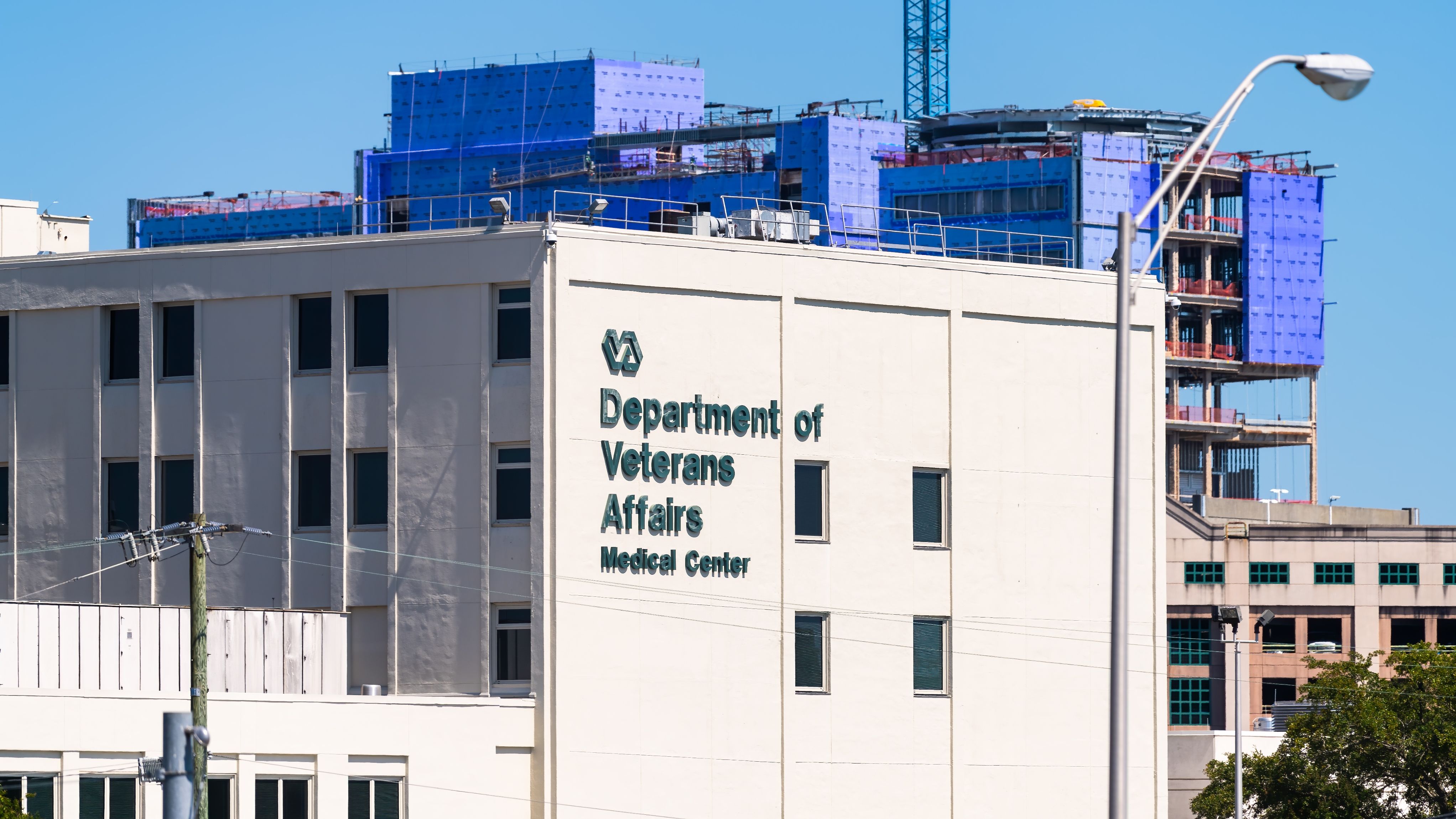
The push to raise pay for doctors working at the Department of Veterans Affairs has moved beyond internal policy discussions and into active legislative pressure, driven by a staffing gap that is now affecting how quickly Veterans can get care. Lawmakers are zeroing in on physician pay as a central factor, arguing that the current system is no longer competitive enough to sustain the workforce the VA needs.
This directly affects Veterans enrolled in VA health care, particularly those relying on VA facilities for primary and specialty services. When physician positions go unfilled, the impact is immediate. Appointments take longer to schedule, specialty care becomes harder to access, and more Veterans are pushed into community care networks that can be inconsistent depending on location.
The scale of the issue is substantial as the VA has reported tens of thousands of vacancies across its workforce in recent years, with clinical roles among the hardest to fill. That gap is where this policy fight begins, and it is why compensation has become a focal point.

Why VA Doctor Pay Has Become A Flashpoint
VA physicians are paid under the Title 38 system, which was designed to offer more flexibility than traditional federal pay scales. Even with that flexibility, compensation is still constrained by caps and administrative limits that do not move in step with the private healthcare market. Federal pay updates in 2025 raised minimum salary levels for VA physicians, with base pay for some roles starting around the low six-figure range and increasing based on specialty and experience.
Military Benefits Eligibility Checker
Answer a few questions to discover which military and VA benefits you or your family may be eligible for.
10 questions · ~2 min
That helped at the margins, but it did not close the gap. In many high-demand specialties, private-sector salaries still exceed VA compensation by a significant margin, particularly at the upper end. For some physicians, the pay is enough.
For others, especially in competitive specialties or high-cost regions, it is not a realistic or fair market rate for compensation. The outcome is a slow, but persistent loss of talent that the VA has struggled to replace.
What Lawmakers Are Actually Proposing
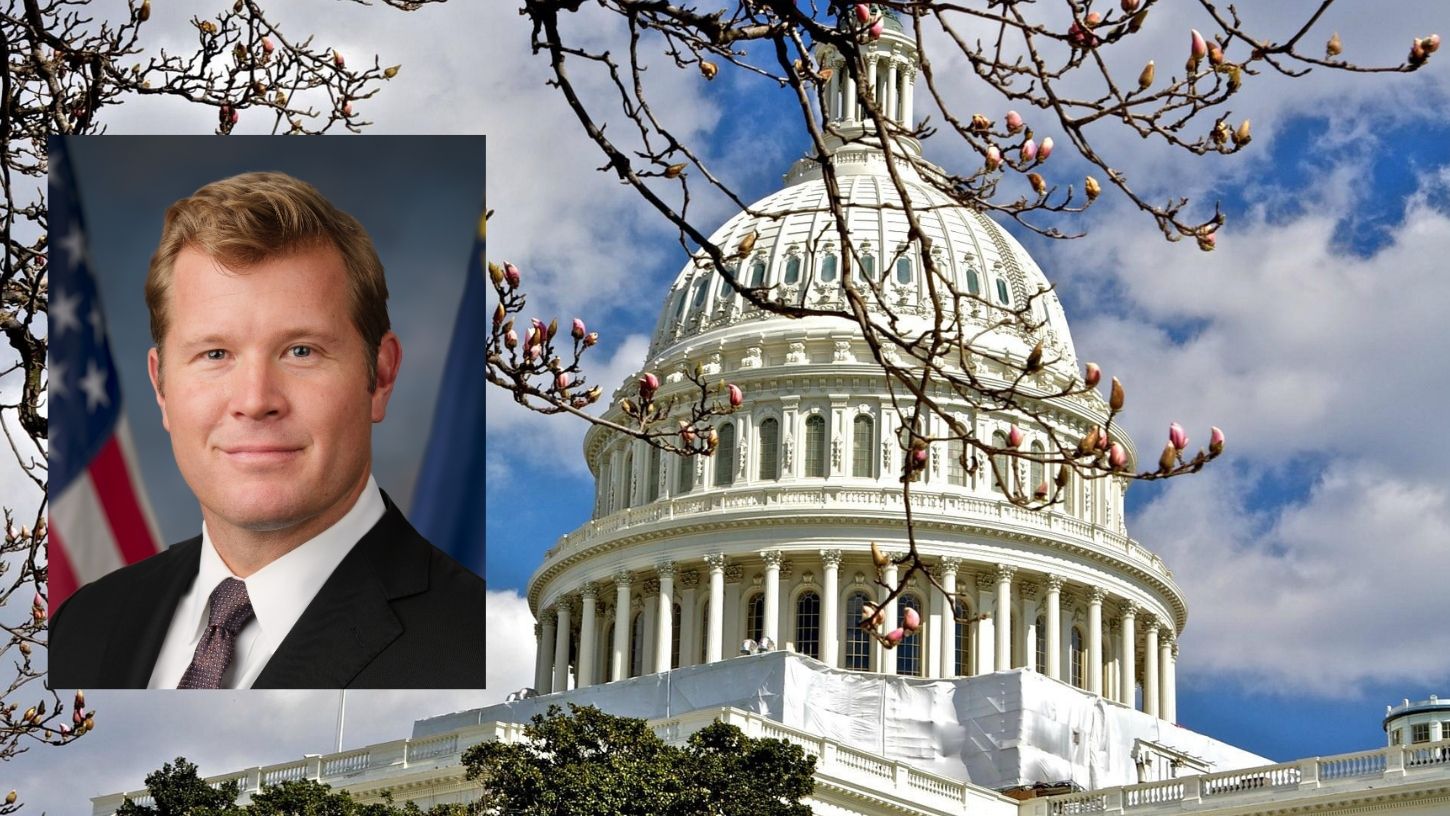
Members of Congress, including those on the Senate Veterans’ Affairs Committee, are now pushing to change how the VA pays its physicians at a structural level.
These efforts are moving through broader healthcare and budget discussions rather than a single standalone bill. The suggested fix this proposal offers is to lift or eliminate existing pay caps that limit what the VA can offer top-tier specialists. Lawmakers have pointed to these caps as a direct barrier to recruiting surgeons, anesthesiologists, and other high-demand providers.
There is also a push to give the VA more authority to adjust salaries in real time, rather than relying on slower federal processes. Additional proposals would expand recruitment and retention incentives, particularly in rural areas where staffing gaps are often most severe.
Pay is a major factor, but it is not the only one. Hiring delays, credentialing timelines, and internal processes still shape whether a position gets filled, and when.
What Has Already Been Approved
In 2025, the VA updated physician pay ranges through a Federal Register rule, increasing minimum salaries across multiple categories. Executive actions that same year adjusted broader clinical pay structures, affecting how compensation is calculated and applied.
Congress also passed the Senator Elizabeth Dole 21st Century Veterans Healthcare and Benefits Improvement Act, which expanded hiring authorities and introduced additional incentives aimed at improving recruitment and retention.
These changes have provided the VA with more flexibility than it had before. They have not fundamentally changed the ceiling on physician pay, which is what current proposals are trying to address.

Where the Process Stands Right Now
The larger effort to raise VA doctor pay is still a work in progress. There is no single finalized law that resolves the issue. Instead, lawmakers are working to incorporate compensation changes into fiscal year 2026 budget negotiations while continuing to advance related reforms through committee-level discussions.
There is bipartisan agreement that staffing shortages are affecting care delivery. The disagreement centers on how aggressively to address pay and how to balance that against long-term costs.
Who Supports This Bill and Who Has Concerns
Support for increasing VA physician pay is wide and crosses party lines.
Lawmakers, VA leadership, and medical advocacy groups have all pointed to staffing shortages as a direct threat to timely care for Veterans. Concerns are more measured than they are oppositional.
Some policymakers are focused on the cost of expanding physician salaries within an already large VA budget. Others argue that hiring inefficiencies and internal processes need to be addressed alongside pay increases to ensure the system can absorb those changes effectively.
That tension is shaping the pace of reform and the scope of what ultimately gets approved.
What This Means For Veterans Right Now
For Veterans using VA health care, this is already visible in the day-to-day experience. In some areas, it means waiting longer for appointments or being referred outside the VA for care that would otherwise be handled internally.
For families, it often shows up as a delay that feels small on paper but carries weight in real life. A few extra weeks for an appointment can mean worsening symptoms, added travel, or time off work that is harder to absorb than it should be.
If broader pay reforms move forward, the expectation is that recruitment will improve and some of those access issues will ease. If they stall, the current pattern is likely to continue, with staffing gaps shaping how and where Veterans receive care.
What Comes Next
The next phase will be decided through federal budget negotiations and additional legislative action tied to Veterans’ healthcare. There is clear recognition that compensation plays a role in the VA’s staffing challenges. What remains unresolved is how far Congress is willing to go to address it.
What happens here will not stay in policy language or committee rooms alone. It will determine whether the VA can compete for the physicians it needs, and whether Veterans experience a system that feels accessible or one that continues to stretch its limits under high demand.
Join the Conversation

BY NATALIE OLIVERIO
Veteran & Senior Contributor, Military News at VeteranLife
Navy Veteran
Natalie Oliverio is a Navy Veteran, journalist, and entrepreneur whose reporting brings clarity, compassion, and credibility to stories that matter most to military families. With more than 100 published articles, she has become a trusted voice on defense policy, family life, and issues shaping the...
Credentials
Expertise
Natalie Oliverio is a Navy Veteran, journalist, and entrepreneur whose reporting brings clarity, compassion, and credibility to stories that matter most to military families. With more than 100 published articles, she has become a trusted voice on defense policy, family life, and issues shaping the...